



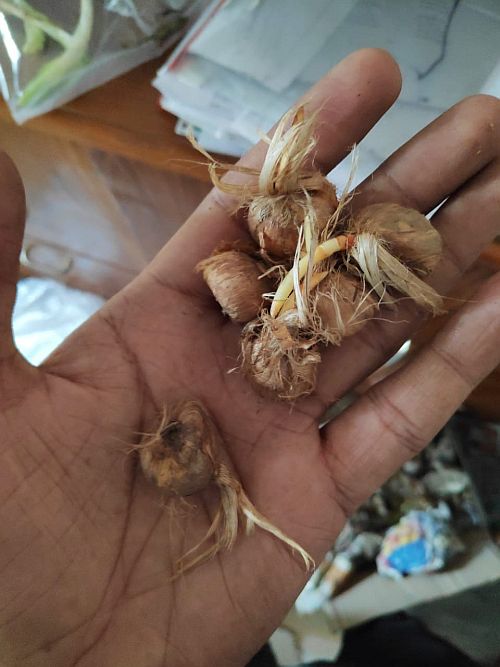



Saffron Bulbs Kesar Kashmiri Flower plant bulbs pack of 5 bulbs
Original price was: ₹599.00.₹399.00Current price is: ₹399.00.
In stock
Saffron Flower Bulbs (Crocus sativus): The Temperature Secret Most Growers Miss
Saffron Flower Bulbs – A Rare Treasure for Home Gardeners
original kesar plant
Saffron, often called “Red Gold,” is one of the world’s most valuable spices. Derived from the crimson stigmas of the Saffron Crocus (Crocus sativus), this remarkable flowering plant can now be successfully grown in many parts of India when proper planting conditions are followed.
One of the biggest misconceptions among beginners is that saffron bulbs can be planted at any time of the year. In reality, temperature plays a critical role in successful sprouting and flowering.
At SeedsNPots, we have observed that saffron corms establish much more reliably when daytime temperatures remain below 28°C. Planting during excessively hot weather often delays sprouting and reduces overall plant vigor.
What Are Saffron Flower Bulbs?
Technically, saffron grows from underground storage organs known as corms rather than true bulbs. However, gardeners commonly refer to them as saffron bulbs.
Each healthy corm contains stored energy that supports root development, foliage growth, and eventually the production of the beautiful purple flowers that yield saffron threads.
A mature saffron flower typically produces three deep-red stigmas, which are carefully harvested and dried to create culinary saffron.
Why Temperature Matters More Than Fertilizer
Many growers focus heavily on fertilizers while overlooking temperature.
Saffron naturally originates from regions that experience warm summers followed by cooler autumn conditions. The corms remain dormant during extreme heat and begin active growth when temperatures moderate.
Ideal Conditions for Sprouting
- Daytime temperature: 18°C–28°C
- Night temperature: 10°C–20°C
- Full sunlight
- Excellent drainage
- Low humidity during dormancy
When daytime temperatures consistently exceed 28°C:
- Sprouting may slow down.
- Root development can be delayed.
- Corm stress may increase.
- Flowering performance may decline.
For this reason, many successful Indian growers wait until local temperatures begin dropping below 28°C before planting.
Choosing Quality Saffron Corms
The success of saffron cultivation begins with healthy planting stock.
Look for:
- Firm corms
- Disease-free surfaces
- No signs of rot
- Good size and weight
- Dry outer skin
Larger corms generally produce stronger plants and may flower sooner than smaller corms.
Best Time to Plant Saffron in India
The ideal planting window varies depending on local climate.
Cooler Regions
In northern and hill regions, planting is often successful from late summer to early autumn.
Warmer Regions
In many plains of India, growers achieve better results by waiting until daytime temperatures fall below 28°C.
This single adjustment often improves establishment rates significantly.
Soil Requirements
Saffron dislikes waterlogged soil.
Prepare a growing medium containing:
- 40% garden soil
- 30% coarse sand
- 20% compost
- 10% cocopeat or leaf mold
The goal is to create a loose, well-draining medium that allows roots to expand freely.
Planting Method
- Choose a sunny location.
- Plant corms 8–12 cm deep.
- Space corms 10–15 cm apart.
- Keep the pointed end facing upward.
- Water lightly after planting.
Avoid excessive watering immediately after planting.
Watering Guidelines
One of the most common mistakes is overwatering.
Saffron prefers:
- Light moisture
- Well-drained soil
- Moderate irrigation
Overwatering can lead to:
- Corm rot
- Fungal diseases
- Poor flowering
Allow the soil surface to dry slightly between waterings.
Growth Stages of Saffron
Stage 1: Root Formation
Roots begin developing beneath the soil surface.
Stage 2: Leaf Emergence
Grass-like leaves emerge from the corm.
Stage 3: Flowering
Purple flowers appear, usually during cooler conditions.
Stage 4: Harvest
The red stigmas are collected by hand and dried carefully.
Harvesting Saffron
Flowers should be harvested early in the morning after opening.
The stigmas are:
- Hand-picked
- Carefully separated
- Gently dried
Proper drying preserves aroma, flavor, and color.
Can Saffron Be Grown in Pots?
Yes.
Container cultivation is becoming increasingly popular.
Recommended pot size:
- Minimum depth: 20–25 cm
- Drainage holes required
- Free-draining growing mix
Potted saffron often performs very well when temperature requirements are met.
Common Mistakes to Avoid
Planting During Extreme Heat
Saffron corms establish best when daytime temperatures remain below 28°C.
Overwatering
Excess moisture is the leading cause of failure.
Heavy Clay Soil
Poor drainage increases the risk of rot.
Too Much Shade
Insufficient sunlight can reduce flowering.
Why Grow Saffron at Home?
Benefits include:
- Premium culinary spice
- Beautiful purple blooms
- Suitable for containers
- Unique gardening experience
- Long-term multiplication of corms
With proper care, saffron corms can multiply over time, providing future planting material.
Frequently Asked Questions
Do saffron bulbs need cold weather to sprout?
Not necessarily. They generally establish best when daytime temperatures remain below 28°C and conditions are moderate rather than excessively hot.
How long do saffron corms take to sprout?
Sprouting time varies based on temperature, moisture, and corm quality, but typically occurs within a few weeks under favorable conditions.
Can saffron be grown in pots?
Yes. Containers with excellent drainage are highly suitable for saffron cultivation.
How deep should saffron corms be planted?
Generally 8–12 cm deep for optimal growth and protection.
Why are my saffron corms not sprouting?
Common reasons include excessive heat, poor drainage, overwatering, damaged corms, or planting during unsuitable weather.
Do saffron bulbs multiply?
Yes. Healthy corms gradually produce daughter corms that can be separated and replanted.
Final Thoughts
Growing saffron successfully is often less about expensive fertilizers and more about understanding the plant’s natural growth cycle. One of the most overlooked factors is temperature. For many Indian gardeners, waiting until daytime temperatures fall below 28°C can significantly improve sprouting and establishment.
With healthy corms, well-drained soil, adequate sunlight, and proper timing, saffron can become one of the most rewarding specialty crops for home gardeners and collectors.
Author: SeedsNPots Horticulture Team
Reviewed By: SeedsNPots Gardening Experts
Experience-Based Growing Guidance for Indian Gardeners
Saffron Flower Bulbs (Crocus sativus): The Temperature Secret Most Growers Miss
Saffron Flower Bulbs – A Rare Treasure for Home Gardeners
Saffron, often called “Red Gold,” is one of the world’s most valuable spices. Derived from the crimson stigmas of the Saffron Crocus (Crocus sativus), this remarkable flowering plant can now be successfully grown in many parts of India when proper planting conditions are followed.
One of the biggest misconceptions among beginners is that saffron bulbs can be planted at any time of the year. In reality, temperature plays a critical role in successful sprouting and flowering.
At SeedsNPots, we have observed that saffron corms establish much more reliably when daytime temperatures remain below 28°C. Planting during excessively hot weather often delays sprouting and reduces overall plant vigor.
What Are Saffron Flower Bulbs?
Technically, saffron grows from underground storage organs known as corms rather than true bulbs. However, gardeners commonly refer to them as saffron bulbs.
Each healthy corm contains stored energy that supports root development, foliage growth, and eventually the production of the beautiful purple flowers that yield saffron threads.
A mature saffron flower typically produces three deep-red stigmas, which are carefully harvested and dried to create culinary saffron.
Why Temperature Matters More Than Fertilizer
Many growers focus heavily on fertilizers while overlooking temperature.
Saffron naturally originates from regions that experience warm summers followed by cooler autumn conditions. The corms remain dormant during extreme heat and begin active growth when temperatures moderate.
Ideal Conditions for Sprouting
- Daytime temperature: 18°C–28°C
- Night temperature: 10°C–20°C
- Full sunlight
- Excellent drainage
- Low humidity during dormancy
When daytime temperatures consistently exceed 28°C:
- Sprouting may slow down.
- Root development can be delayed.
- Corm stress may increase.
- Flowering performance may decline.
For this reason, many successful Indian growers wait until local temperatures begin dropping below 28°C before planting.
Choosing Quality Saffron Corms
The success of saffron cultivation begins with healthy planting stock.
Look for:
- Firm corms
- Disease-free surfaces
- No signs of rot
- Good size and weight
- Dry outer skin
Larger corms generally produce stronger plants and may flower sooner than smaller corms.
Best Time to Plant Saffron in India
The ideal planting window varies depending on local climate.
Cooler Regions
In northern and hill regions, planting is often successful from late summer to early autumn.
Warmer Regions
In many plains of India, growers achieve better results by waiting until daytime temperatures fall below 28°C.
This single adjustment often improves establishment rates significantly.
Soil Requirements
Saffron dislikes waterlogged soil.
Prepare a growing medium containing:
- 40% garden soil
- 30% coarse sand
- 20% compost
- 10% cocopeat or leaf mold
The goal is to create a loose, well-draining medium that allows roots to expand freely.
Planting Method
- Choose a sunny location.
- Plant corms 8–12 cm deep.
- Space corms 10–15 cm apart.
- Keep the pointed end facing upward.
- Water lightly after planting.
Avoid excessive watering immediately after planting.
Watering Guidelines
One of the most common mistakes is overwatering.
Saffron prefers:
- Light moisture
- Well-drained soil
- Moderate irrigation
Overwatering can lead to:
- Corm rot
- Fungal diseases
- Poor flowering
Allow the soil surface to dry slightly between waterings.
Growth Stages of Saffron
Stage 1: Root Formation
Roots begin developing beneath the soil surface.
Stage 2: Leaf Emergence
Grass-like leaves emerge from the corm.
Stage 3: Flowering
Purple flowers appear, usually during cooler conditions.
Stage 4: Harvest
The red stigmas are collected by hand and dried carefully.
Harvesting Saffron
Flowers should be harvested early in the morning after opening.
The stigmas are:
- Hand-picked
- Carefully separated
- Gently dried
Proper drying preserves aroma, flavor, and color.
Can Saffron Be Grown in Pots?
Yes.
Container cultivation is becoming increasingly popular.
Recommended pot size:
- Minimum depth: 20–25 cm
- Drainage holes required
- Free-draining growing mix
Potted saffron often performs very well when temperature requirements are met.
Common Mistakes to Avoid
Planting During Extreme Heat
Saffron corms establish best when daytime temperatures remain below 28°C.
Overwatering
Excess moisture is the leading cause of failure.
Heavy Clay Soil
Poor drainage increases the risk of rot.
Too Much Shade
Insufficient sunlight can reduce flowering.
Why Grow Saffron at Home?
Benefits include:
- Premium culinary spice
- Beautiful purple blooms
- Suitable for containers
- Unique gardening experience
- Long-term multiplication of corms
With proper care, saffron corms can multiply over time, providing future planting material.
Frequently Asked Questions
Do saffron bulbs need cold weather to sprout?
Not necessarily. They generally establish best when daytime temperatures remain below 28°C and conditions are moderate rather than excessively hot.
How long do saffron corms take to sprout?
Sprouting time varies based on temperature, moisture, and corm quality, but typically occurs within a few weeks under favorable conditions.
Can saffron be grown in pots?
Yes. Containers with excellent drainage are highly suitable for saffron cultivation.
How deep should saffron corms be planted?
Generally 8–12 cm deep for optimal growth and protection.
Why are my saffron corms not sprouting?
Common reasons include excessive heat, poor drainage, overwatering, damaged corms, or planting during unsuitable weather.
Do saffron bulbs multiply?
Yes. Healthy corms gradually produce daughter corms that can be separated and replanted.
Final Thoughts
Growing saffron successfully is often less about expensive fertilizers and more about understanding the plant’s natural growth cycle. One of the most overlooked factors is temperature. For many Indian gardeners, waiting until daytime temperatures fall below 28°C can significantly improve sprouting and establishment.
With healthy corms, well-drained soil, adequate sunlight, and proper timing, saffron can become one of the most rewarding specialty crops for home gardeners and collectors.
Author: SeedsNPots Horticulture Team
Reviewed By: SeedsNPots Gardening Experts
Experience-Based Growing Guidance for Indian Gardeners
Be the first to review “Saffron Bulbs Kesar Kashmiri Flower plant bulbs pack of 5 bulbs”
You must be logged in to post a review.
Related products

1 review for Saffron Bulbs Kesar Kashmiri Flower plant bulbs pack of 5 bulbs
There are no reviews yet.