


Ranunculus Bulbs – Grow Rose-Like Blooms in a Rainbow of Colors
₹225.00
Pack of 5 Bulbs
In stock
Ranunculus Bulbs: Complete Growing Guide, Care Tips, Benefits, and Flowering Secrets
Ranunculus Bulbs – The Perfect Choice for Spectacular Spring Blooms
Ranunculus flowers are among the most admired ornamental blooms in gardens worldwide. Known for their rose-like layered petals, vibrant colors, and long-lasting flowers, Ranunculus bulbs are a favorite among gardeners, landscapers, florists, and flower enthusiasts. Whether planted in garden beds, containers, borders, or cut-flower gardens, Ranunculus produces breathtaking blooms that instantly enhance any outdoor space.
At SeedsNPots.com, we understand the joy of growing premium flowering bulbs. Ranunculus bulbs are easy to cultivate with proper care and reward gardeners with an abundance of colorful blooms during the flowering season.
What Are Ranunculus Bulbs?
Ranunculus is a flowering plant belonging to the Ranunculaceae family. Although commonly called bulbs, the planting structures are technically tuberous corms with claw-like roots. These unique structures store nutrients that support vigorous growth and flowering.
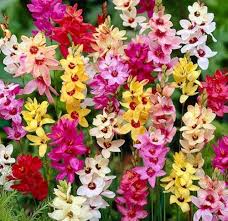
The most commonly grown variety is Ranunculus asiaticus, prized for its large, double-petaled flowers available in shades of red, pink, yellow, orange, white, purple, peach, and bi-colors.
Botanical Information
- Botanical Name: Ranunculus asiaticus
- Family: Ranunculaceae
- Plant Type: Flowering Perennial
- Plant Height: 12–24 inches
- Flower Size: 2–5 inches
- Blooming Season: Spring to Early Summer
- Sun Requirement: Full Sun
- Soil Type: Well-draining, fertile soil
- Water Needs: Moderate
- Propagation: Bulbs/Corms
Why Gardeners Love Ranunculus Bulbs
Ranunculus flowers have become increasingly popular because of their remarkable beauty and ease of cultivation.
Exceptional Flower Form
Each flower consists of multiple layers of delicate petals arranged in perfect symmetry, creating a luxurious appearance similar to roses and peonies.
Wide Range of Colors
Ranunculus offers one of the broadest color palettes among flowering bulbs, making it ideal for themed gardens and floral arrangements.
Long Flowering Period
When properly grown, Ranunculus plants bloom continuously for several weeks, providing extended garden interest.
Excellent Cut Flowers
Florists highly value Ranunculus because the flowers can remain fresh in vases for up to two weeks.
Compact Growth Habit
Their manageable size makes them suitable for containers, balconies, patios, and small gardens.
How to Plant Ranunculus Bulbs
Successful cultivation begins with proper planting techniques.
Step 1: Prepare the Bulbs
Before planting, soak the bulbs in room-temperature water for 3–4 hours. This helps rehydrate the corms and encourages faster sprouting.
Step 2: Choose the Right Location
Select an area receiving at least 6–8 hours of sunlight daily.
Step 3: Prepare Well-Draining Soil
Ranunculus dislikes waterlogged conditions. Amend heavy soils with compost, cocopeat, or sand to improve drainage.
Step 4: Plant Correctly
Place the claw-like roots facing downward.
- Planting Depth: 2–3 inches
- Spacing: 4–6 inches apart
Step 5: Water Lightly
Water immediately after planting but avoid excessive watering until growth begins.
Ideal Growing Conditions
Sunlight
Ranunculus performs best in full sun. In warmer regions, light afternoon shade may help extend bloom duration.
Temperature
The ideal growing temperature ranges between 10°C and 24°C.
Soil
A fertile, loose, and well-draining growing medium encourages healthy root development and abundant flowering.
Humidity
Moderate humidity levels are ideal. Good air circulation helps prevent fungal diseases.
Watering Requirements
Proper watering plays a critical role in growing healthy Ranunculus plants.
During Establishment
Keep the soil lightly moist but never soggy.
During Active Growth
Increase watering frequency as foliage develops.
During Flowering
Maintain consistent moisture to support large, colorful blooms.
After Flowering
Reduce watering gradually as foliage begins to die back naturally.
Fertilizing Ranunculus Bulbs
For optimal flowering:
- Apply compost before planting.
- Use balanced liquid fertilizer every 2–3 weeks.
- Switch to phosphorus-rich fertilizer during bud formation.
- Avoid excessive nitrogen as it promotes foliage growth over flowers.
Flowering Season and Bloom Duration
Ranunculus generally flowers 90–120 days after planting, depending on climate and growing conditions.
A healthy plant can produce multiple flower stems, each carrying large blooms that remain attractive for several weeks.
Growing Ranunculus in Pots
Container gardening is one of the easiest ways to enjoy Ranunculus flowers.
Pot Requirements
- Minimum depth: 8–10 inches
- Good drainage holes
- Quality potting mix
Container Care
- Place in sunny locations.
- Water regularly.
- Feed every two weeks.
- Remove spent flowers promptly.
Common Problems and Solutions
Yellow Leaves
Possible causes:
- Overwatering
- Poor drainage
- Nutrient deficiency
Poor Flowering
Possible causes:
- Insufficient sunlight
- Overcrowding
- Excessive nitrogen fertilizer
Root Rot
Usually caused by prolonged wet soil conditions.
Aphids and Thrips
Control using neem oil sprays or insecticidal soap.
Ranunculus as Cut Flowers
Ranunculus is among the most valuable cut flowers for floral arrangements.
Harvesting Tips
- Cut flowers early in the morning.
- Harvest when buds are partially open.
- Use clean, sharp scissors.
Vase Life
With proper care, Ranunculus flowers may last 10–14 days indoors.
Landscape Uses of Ranunculus
Ranunculus can transform outdoor spaces through:
- Flower borders
- Rock gardens
- Cottage gardens
- Mixed beds
- Patio containers
- Wedding gardens
- Cut-flower production
Benefits of Growing Ranunculus Bulbs
Adds Instant Color
Produces vibrant blooms in a wide variety of shades.
Excellent for Floral Arrangements
One of the most sought-after flowers for bouquets.
Suitable for Small Spaces
Perfect for balconies and terrace gardens.
Easy to Grow
Ideal for beginners and experienced gardeners alike.
High Ornamental Value
Creates luxurious displays with minimal effort.
Ranunculus Bulb Care After Flowering
Once flowering is complete:
- Allow foliage to remain until it turns yellow.
- Reduce watering gradually.
- Lift bulbs in very wet climates.
- Store in a cool, dry location.
- Replant during the next growing season.
Companion Plants for Ranunculus
Ranunculus pairs beautifully with:
- Anemones
- Pansies
- Petunias
- Dianthus
- Sweet Alyssum
- Stock Flowers
- Snapdragons
- Violas
How Long Do Ranunculus Bulbs Last?
Healthy Ranunculus bulbs can remain viable for several years when properly stored and maintained. Their longevity depends on growing conditions, storage practices, and bulb quality.
10 Different Language Names of Ranunculus
| Language | Name |
|---|---|
| English | Ranunculus |
| Hindi | रैननकुलस |
| Sanskrit | जलकुसुम |
| Bengali | রেনানকুলাস |
| Tamil | ரனன்குலஸ் |
| Telugu | రనన్క్యులస్ |
| Kannada | ರನನ್ಕುಲಸ್ |
| Malayalam | റാനൺകുലസ് |
| French | Renoncule |
| Spanish | Ranúnculo |
Why Buy Premium Ranunculus Bulbs?
Premium bulbs offer:
- Better germination
- Stronger root systems
- More flower stems
- Larger blooms
- Improved disease resistance
Purchasing quality bulbs significantly increases the chances of successful cultivation and spectacular flowering.
Conclusion
Ranunculus bulbs are among the most rewarding flowering plants for gardeners seeking vibrant colors, elegant blooms, and excellent cut flowers. Their rose-like appearance, long flowering period, and versatility make them a valuable addition to gardens, patios, and landscapes. With proper planting, watering, sunlight, and care, Ranunculus can produce a magnificent display that enhances any garden space.
Whether you are a beginner or an experienced gardener, Ranunculus bulbs offer beauty, reliability, and outstanding ornamental value. Choose healthy bulbs, provide ideal growing conditions, and enjoy months of stunning blooms.
Frequently Asked Questions (FAQs)
1. How long do Ranunculus bulbs take to sprout?
Typically 10–20 days after planting under suitable conditions.
2. Do Ranunculus bulbs need soaking before planting?
Yes, soaking for 3–4 hours helps improve sprouting success.
3. Can Ranunculus grow in pots?
Yes, they perform exceptionally well in containers with proper drainage.
4. How much sunlight do Ranunculus plants need?
At least 6–8 hours of direct sunlight daily.
5. Are Ranunculus flowers suitable for bouquets?
Absolutely. They are among the most popular cut flowers worldwide.
6. Why are my Ranunculus plants producing leaves but no flowers?
Insufficient sunlight or excessive nitrogen fertilizer is often responsible.
7. Can Ranunculus bulbs be reused every year?
Yes, healthy bulbs can be stored and replanted in suitable climates.
8. What is the best soil for Ranunculus?
Well-draining, fertile soil rich in organic matter.
9. Are Ranunculus flowers fragrant?
Most varieties have a very mild fragrance, with visual appeal being their primary attraction.
10. What makes premium Ranunculus bulbs different?
Premium bulbs generally produce stronger plants, more stems, larger flowers, and better overall performance.
Author: SeedsNPots.com Team
The SeedsNPots.com Team consists of passionate gardeners, horticulture enthusiasts, and plant-growing specialists dedicated to providing reliable, experience-based gardening information for home gardeners and plant collectors across India.
| Color | Mix |
|---|---|
| Germination Level | Hard |
| Growth Pattern | Up right Straight |
| Hybrid or Open Pollinated | Hybrid |
| Ideal location | Full sun |
| Origin Country | Israel |
Be the first to review “Ranunculus Bulbs – Grow Rose-Like Blooms in a Rainbow of Colors”
You must be logged in to post a review.
Related products
Winter Flower Bulbs
Ornithogalum Bulbs chincherinchee(White) bulbs pack of 8 winter flower bulbs


Winter Flower Bulbs
Gladiolus Advance – Stunning Cut Flower Variety for Home Gardens
Winter Flower Bulbs
Tulip Pink Impression Bulbs – Stunning Spring Tulips with Strong Stems
Winter Flower Bulbs
3 reviews for Ranunculus Bulbs – Grow Rose-Like Blooms in a Rainbow of Colors
There are no reviews yet.