-
×
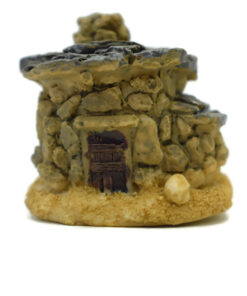 Miniature House Mn Poly Resin Figurines pack of 1
1 × ₹99.00
Miniature House Mn Poly Resin Figurines pack of 1
1 × ₹99.00 -
×
 Miniature Budha Green Poly Resin Figurines pack of 1
1 × ₹175.00
Miniature Budha Green Poly Resin Figurines pack of 1
1 × ₹175.00 -
×
Vinca Apricot seeds pack of 25-30 seeds Imported
2 × ₹70.00
-
×
Sweet Sultan Seeds Mix Pack of 40-50 Open Pollinated
1 × ₹50.00
-
×
Miniature Beach Chair Poly Resin Figurines pack of 2
2 × ₹99.00
-
×
Miniature Tree Stump Poly resin Figurines pack of 1
1 × ₹60.00
-
×
Zinnia Elegans Pink pack of 40 seeds Open Pollinated
1 × ₹50.00
-
×
Kochia Seed Burning Bush pack of 40-50 seeds Open Pollinated
1 × ₹40.00
-
×
 Miniature Sail Boat Poly Resin Figurines Sail boat pack of 2
1 × ₹60.00
Miniature Sail Boat Poly Resin Figurines Sail boat pack of 2
1 × ₹60.00 -
×
Miniature Seagull on log Poly Resin Figurines Seagull on log pack of 1
1 × ₹35.00
-
×
Amaryllis Double petal flower bulbs Red color 5 bulbs pack
1 × ₹250.00
-
×
 Miniature Swan Poly Resin Figurines set of 2 PC
1 × ₹40.00
Miniature Swan Poly Resin Figurines set of 2 PC
1 × ₹40.00 -
×
Football lily Bulb pack of 3 bulbs
1 × ₹120.00

 Miniature Budha Green Poly Resin Figurines pack of 1
 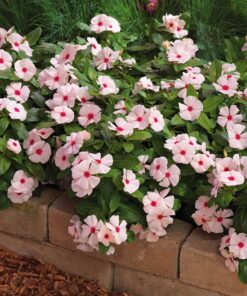 Vinca Apricot seeds pack of 25-30 seeds Imported
  Sweet Sultan Seeds Mix Pack of 40-50 Open Pollinated
  Miniature Beach Chair Poly Resin Figurines pack of 2
  Miniature Tree Stump Poly resin Figurines pack of 1
  Zinnia Elegans Pink pack of 40 seeds Open Pollinated
  Kochia Seed Burning Bush pack of 40-50 seeds Open Pollinated
  Miniature Sail Boat Poly Resin Figurines Sail boat pack of 2
 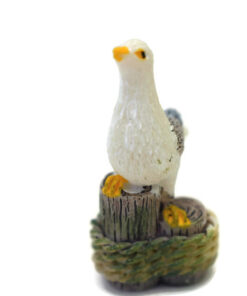 Miniature Seagull on log Poly Resin Figurines Seagull on log pack of 1
 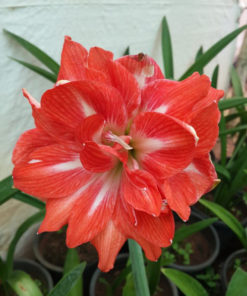 Amaryllis Double petal flower bulbs Red color 5 bulbs pack
  Miniature Swan Poly Resin Figurines set of 2 PC
 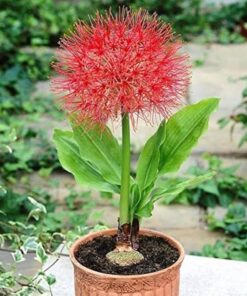 Football lily Bulb pack of 3 bulbs
 -
Basket
-
×
Miniature House Mn Poly Resin Figurines pack of 1
1 × ₹99.00
-
×
Miniature Budha Green Poly Resin Figurines pack of 1
1 × ₹175.00
-
×
Vinca Apricot seeds pack of 25-30 seeds Imported
2 × ₹70.00
-
×
Sweet Sultan Seeds Mix Pack of 40-50 Open Pollinated
1 × ₹50.00
-
×
Miniature Beach Chair Poly Resin Figurines pack of 2
2 × ₹99.00
-
×
Miniature Tree Stump Poly resin Figurines pack of 1
1 × ₹60.00
-
×
Zinnia Elegans Pink pack of 40 seeds Open Pollinated
1 × ₹50.00
-
×
Kochia Seed Burning Bush pack of 40-50 seeds Open Pollinated
1 × ₹40.00
-
×
Miniature Sail Boat Poly Resin Figurines Sail boat pack of 2
1 × ₹60.00
-
×
Miniature Seagull on log Poly Resin Figurines Seagull on log pack of 1
1 × ₹35.00
-
×
Amaryllis Double petal flower bulbs Red color 5 bulbs pack
1 × ₹250.00
-
×
Miniature Swan Poly Resin Figurines set of 2 PC
1 × ₹40.00
-
×
Football lily Bulb pack of 3 bulbs
1 × ₹120.00
-
×


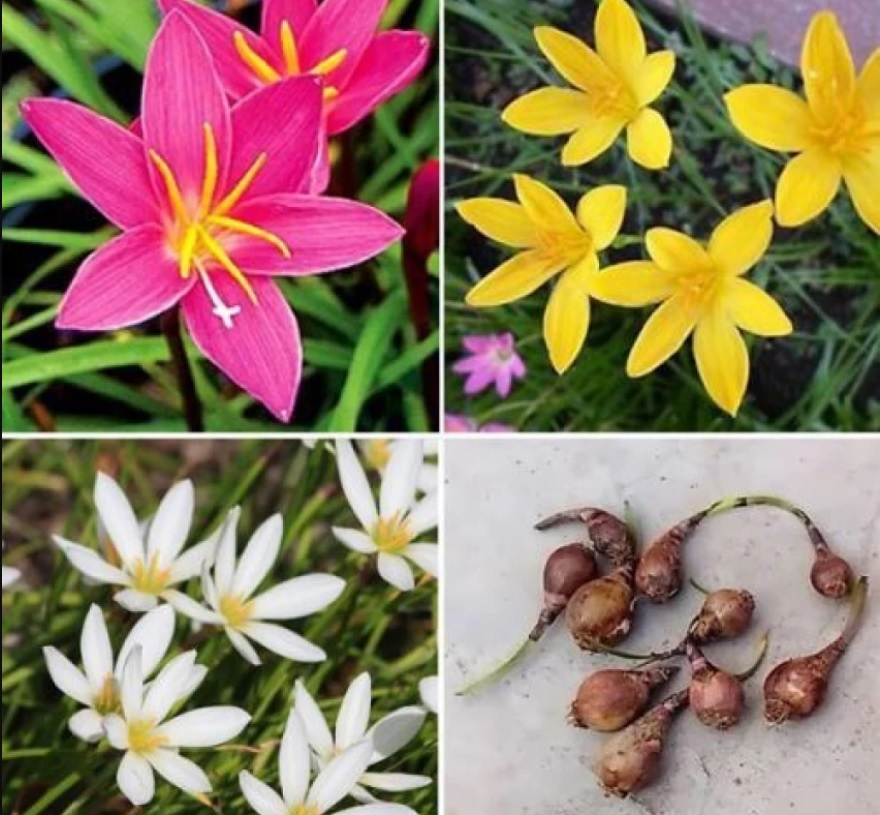
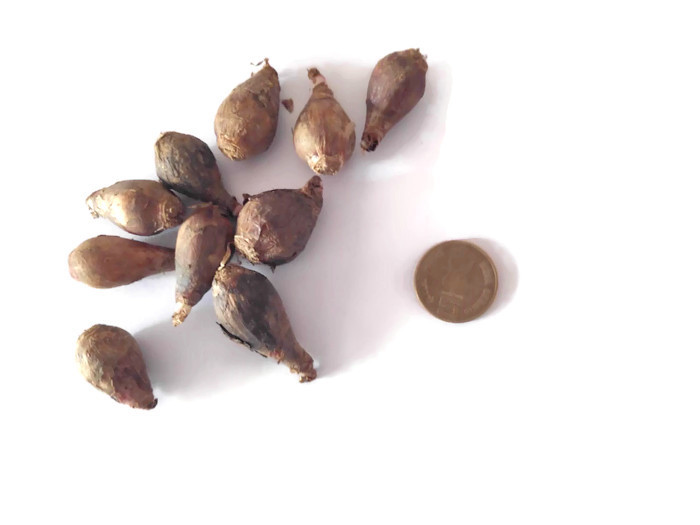
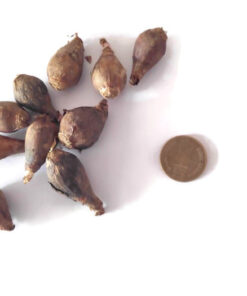
Rain lily Bulbs Mix Color pack of 10 bulb(3 yellow 3 white 4 pink )
₹99.00
In stock
Rain lily Bulbs Mix also known as Zephyranthes. These are beautiful, delicate flowering plants that bloom after rainfall, hence their name “Rain Lily.” They are typically grown from bulbs and are prized for their attractive, lily-like flowers that appear in a variety of colors, such as white, pink, and yellow.
Here’s how to plant and grow Rain Lily bulbs:
Materials Needed:
- Rain Lily bulbs (Zephyranthes)
- Well-draining soil (loamy or sandy soil works best)
- Watering can
- Shovel or trowel
- Fertilizer (optional)
Rain lily Bulbs Mix Step-by-Step Guide to Growing Rain Lily Bulbs:
1. Choose the Right Location
- Rain lilies prefer full sun to partial shade. While they can tolerate some shade, they tend to flower best with at least 4-6 hours of sunlight per day.
- These plants are ideal for well-draining soil. If your garden soil is heavy or clay-like, amend it with compost or sand to improve drainage.
2. Planting the Bulbs
- When to Plant: The best time to plant Rain Lily bulbs is in the spring after the last frost, or in fall for climates with mild winters.
- Planting Depth: Dig a hole that is about 2-3 inches deep for the bulbs. The flat side of the bulb should face down.
- Spacing: Space the bulbs about 4-6 inches apart to allow room for the flowers to grow and spread.
3. Watering
- Water the area thoroughly after planting the bulbs, but ensure that the soil does not become soggy. Rain lilies don’t like overly wet conditions.
- Keep the soil moist, especially when the bulbs are beginning to sprout. Once the plants are established, they are more drought-tolerant.
4. Caring for Rain Lily Plants
- Watering: During the growing season (spring to summer), water regularly, especially during dry spells. However, make sure the soil drains well to avoid waterlogging.
- Fertilizing: Rain lilies benefit from a balanced fertilizer during the growing season. Apply a low-nitrogen fertilizer to encourage flowering. Fertilize in early spring when the growth begins and again in mid-summer.
- Mulching: Applying a thin layer of mulch around the base of the plants can help retain moisture and keep the soil cool, especially during hot weather.
5. Blooming and Growth
- Flowering: Rain lilies typically bloom in the late spring to summer after a rainfall, hence the name. They may bloom for a few days and then rest for a while before blooming again.
- Appearance: The flowers are typically 5-petaled, funnel-shaped, and can range in color from white to pink, yellow, or red, depending on the variety.
| Color | Mix |
|---|---|
| Germination Level | Easy |
| Growth Pattern | Leaf without stem |
| Hybrid or Open Pollinated | Op |
| Origin Country | India |
| Ideal location | Full sun |
Be the first to review “Rain lily Bulbs Mix Color pack of 10 bulb(3 yellow 3 white 4 pink )”
You must be logged in to post a review.
Related products

Out of stock
Out of stock

Out of stock


Out of stock
Out of stock

1 review for Rain lily Bulbs Mix Color pack of 10 bulb(3 yellow 3 white 4 pink )
There are no reviews yet.