-
×
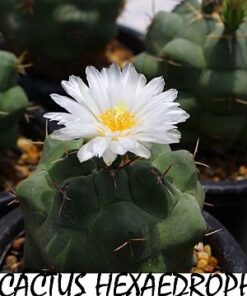 Thelocactus Hexaedrophorus Seeds rare Cactus Seeds Pack of 20 seeds
1 × ₹199.00
Thelocactus Hexaedrophorus Seeds rare Cactus Seeds Pack of 20 seeds
1 × ₹199.00 -
×
 Gymnocalycium Ragonesei seeds pack of 20 seeds
1 × ₹199.00
Gymnocalycium Ragonesei seeds pack of 20 seeds
1 × ₹199.00 -
×
 Adenium BungWang DHA 100% Dorset horn seeds pack of 3 seeds
1 × ₹199.00
Adenium BungWang DHA 100% Dorset horn seeds pack of 3 seeds
1 × ₹199.00 -
×
 Kud Jung Adenium Seeds pack of 3 seeds
2 × ₹150.00
Kud Jung Adenium Seeds pack of 3 seeds
2 × ₹150.00 -
×
Aloe aculeata crousiana Succulent Pack of 10 seeds
1 × ₹199.00
-
×
Freesia bulb Winter flower bulbs Mix color 10 bulbs pack
1 × ₹149.00
-
×
Saffron Bulbs Kesar Kashmiri Flower plant bulbs pack of 10 Rare Spice plant bulbs
2 × ₹449.00
-
×
 Osteospermum Seeds ecklonis pack of 25-30 Seeds Open Pollinated
1 × ₹60.00
Osteospermum Seeds ecklonis pack of 25-30 Seeds Open Pollinated
1 × ₹60.00 -
×
Pansy Seeds Swiss giant mix Color 40-50 seeds Open Pollinated
1 × ₹60.00
-
×
Rain lily crimson sunset pack of 2 bulb Exotic rare variety
1 × ₹199.00
-
×
Coleus Wizard Mix Pack of 25-30 seeds Imported
1 × ₹70.00
-
×
Sweet Sultan Seeds Mix Pack of 40-50 Open Pollinated
1 × ₹50.00
-
×
Ornithogalum Bulbs chincherinchee(White) bulbs pack of 10 winter flower bulbs
1 × ₹199.00
-
×
Calendula Bon Bon Apricot Pack of 30-40 seeds Imported
1 × ₹80.00
-
×
Gladiolus Bulbs Mix Bulbs Set of 20 bulbs
1 × ₹180.00
-
×
Candytuft Seeds white pack of 40 seeds Open Pollinated
1 × ₹50.00
-
×
Marigold White Vanilla F2 Flower pack of 25-30 seeds Open Pollinated
1 × ₹60.00
-
×
Salvia Seeds St johns fire pack of 40-50 seeds Open Pollinated
1 × ₹50.00
-
×
 Gymnocalycium mihanovichii seeds Variegated Seeds pack of 15-20 seeds
1 × ₹99.00
Gymnocalycium mihanovichii seeds Variegated Seeds pack of 15-20 seeds
1 × ₹99.00 -
×
Nasturtium Alaska Seeds Mix color pack of 15-20 seeds Open Pollinated
1 × ₹60.00
-
×
Sweet Pea Seeds mix color seeds, 25-30 seeds Open Pollinated
1 × ₹50.00
-
×
 Astrophytum myriostigma Seeds Cactus seeds pack of 20 seeds
1 × ₹199.00
Astrophytum myriostigma Seeds Cactus seeds pack of 20 seeds
1 × ₹199.00

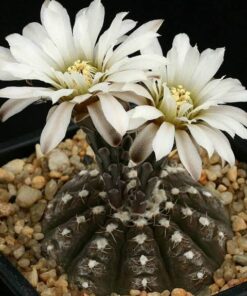 Gymnocalycium Ragonesei seeds pack of 20 seeds
  Adenium BungWang DHA 100% Dorset horn seeds pack of 3 seeds
  Kud Jung Adenium Seeds pack of 3 seeds
  Aloe aculeata crousiana Succulent Pack of 10 seeds
  Freesia bulb Winter flower bulbs Mix color 10 bulbs pack
 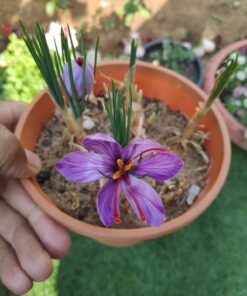 Saffron Bulbs Kesar Kashmiri Flower plant bulbs pack of 10 Rare Spice plant bulbs
  Osteospermum Seeds ecklonis pack of 25-30 Seeds Open Pollinated
  Pansy Seeds Swiss giant mix Color 40-50 seeds Open Pollinated
 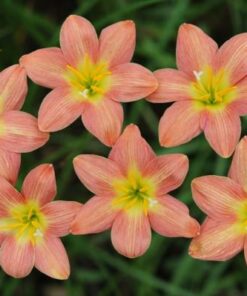 Rain lily crimson sunset pack of 2 bulb Exotic rare variety
  Coleus Wizard Mix Pack of 25-30 seeds Imported
  Sweet Sultan Seeds Mix Pack of 40-50 Open Pollinated
 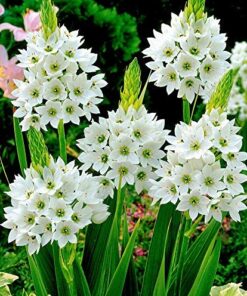 Ornithogalum Bulbs chincherinchee(White) bulbs pack of 10 winter flower bulbs
  Calendula Bon Bon Apricot Pack of 30-40 seeds Imported
 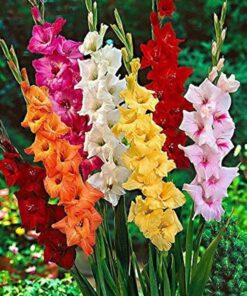 Gladiolus Bulbs Mix Bulbs Set of 20 bulbs
  Candytuft Seeds white pack of 40 seeds Open Pollinated
  Marigold White Vanilla F2 Flower pack of 25-30 seeds Open Pollinated
 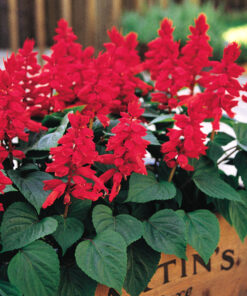 Salvia Seeds St johns fire pack of 40-50 seeds Open Pollinated
 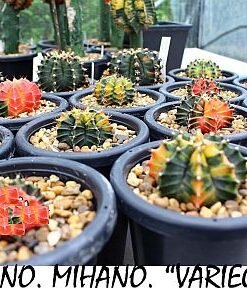 Gymnocalycium mihanovichii seeds Variegated Seeds pack of 15-20 seeds
 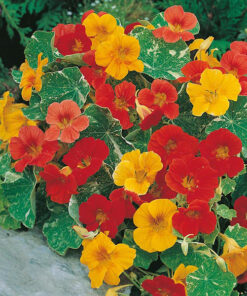 Nasturtium Alaska Seeds Mix color pack of 15-20 seeds Open Pollinated
  Sweet Pea Seeds mix color seeds, 25-30 seeds Open Pollinated
 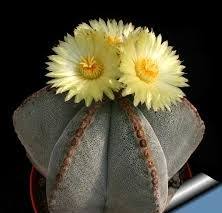 Astrophytum myriostigma Seeds Cactus seeds pack of 20 seeds
 -
Basket
-
×
Thelocactus Hexaedrophorus Seeds rare Cactus Seeds Pack of 20 seeds
1 × ₹199.00
-
×
Gymnocalycium Ragonesei seeds pack of 20 seeds
1 × ₹199.00
-
×
Adenium BungWang DHA 100% Dorset horn seeds pack of 3 seeds
1 × ₹199.00
-
×
Kud Jung Adenium Seeds pack of 3 seeds
2 × ₹150.00
-
×
Aloe aculeata crousiana Succulent Pack of 10 seeds
1 × ₹199.00
-
×
Freesia bulb Winter flower bulbs Mix color 10 bulbs pack
1 × ₹149.00
-
×
Saffron Bulbs Kesar Kashmiri Flower plant bulbs pack of 10 Rare Spice plant bulbs
2 × ₹449.00
-
×
Osteospermum Seeds ecklonis pack of 25-30 Seeds Open Pollinated
1 × ₹60.00
-
×
Pansy Seeds Swiss giant mix Color 40-50 seeds Open Pollinated
1 × ₹60.00
-
×
Rain lily crimson sunset pack of 2 bulb Exotic rare variety
1 × ₹199.00
-
×
Coleus Wizard Mix Pack of 25-30 seeds Imported
1 × ₹70.00
-
×
Sweet Sultan Seeds Mix Pack of 40-50 Open Pollinated
1 × ₹50.00
-
×
Ornithogalum Bulbs chincherinchee(White) bulbs pack of 10 winter flower bulbs
1 × ₹199.00
-
×
Calendula Bon Bon Apricot Pack of 30-40 seeds Imported
1 × ₹80.00
-
×
Gladiolus Bulbs Mix Bulbs Set of 20 bulbs
1 × ₹180.00
-
×
Candytuft Seeds white pack of 40 seeds Open Pollinated
1 × ₹50.00
-
×
Marigold White Vanilla F2 Flower pack of 25-30 seeds Open Pollinated
1 × ₹60.00
-
×
Salvia Seeds St johns fire pack of 40-50 seeds Open Pollinated
1 × ₹50.00
-
×
Gymnocalycium mihanovichii seeds Variegated Seeds pack of 15-20 seeds
1 × ₹99.00
-
×
Nasturtium Alaska Seeds Mix color pack of 15-20 seeds Open Pollinated
1 × ₹60.00
-
×
Sweet Pea Seeds mix color seeds, 25-30 seeds Open Pollinated
1 × ₹50.00
-
×
Astrophytum myriostigma Seeds Cactus seeds pack of 20 seeds
1 × ₹199.00
-
×

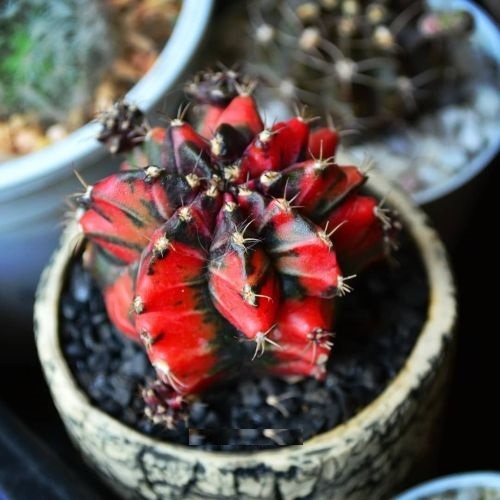
Gymnocalycium Red Tiger Rare Seeds pack of 10 seeds
₹199.00
Out of stock
Email when stock available
Gymnocalycium Red Tiger Description: The plant is considered to be a miniature cactus. It only grows to be 4 cm high and has a 5-6 cm diameter. The not fully opening flowers of this species have a silky appearance and range from pale green to brownish-yellow. It has wider, lower ribs, in juvenile plants divided into separate chins, in maturity every rib have flat surface and a pleat above each areole.
Gymnocalycium Red Tiger Cultivation and Propagation: Gymnocalycium mihanovichii is a summer grower species that is easy to cultivate.
Growth rate: It is a relatively rapidly growing and easily flowering species.
Soils: It likes very porous standard cactus mix soil. Prefer a low pH compost, avoid substrata rich in limestone; otherwise growth will stop altogether.
Repotting: This plant needs plenty of space for its roots, repotting should be done every other year or when the it has outgrown its pot. Use pot with good drainage.
Watering: Needs moderate to copious waterings in summer, but do not overwater (Rot prone), keep dry in winter at a minimum temperature of 0°C.
Fertilization: Feed with a high potassium fertilizer in summer.
Hardiness: Quite frost resistant if kept dry -5° C (Temperature Zone USDA 9-10), but for safe cultivation it is best to avoid freezing temperatures.
Exposition: The plant tolerates extremely bright situations but enjoys filtered sunlight or afternoon shade, inside it needs bright light, and some direct sun. Tends to bronze in strong light, which encourages flowering and heavy spine production, but is likely to suffer from sun scorch or stunted growth if over exposed to direct sunlight during the hottest part of the day in summer.
Uses: It is an excellent plant for container growing. It always looks good and stays small. It look fine in a cold greenhouse and frame or outdoor in a rockery.
Pests & diseases: It may be attractive to a variety of insects, but plants in good condition should be nearly pest-free, particularly if they are grown in a mineral potting-mix, with good exposure and ventilation. Nonetheless, there are several pests to watch for:
– Red spiders: Red spiders may be effectively rubbed up by watering the plants from above.
– Mealy bugs: Mealy bugs occasionally develop aerial into the new growth among the wool with disfiguring results, but the worst types develop underground on the roots and are invisible except by their effects.
– Scales: Scales are rarely a problem.
Be the first to review “Gymnocalycium Red Tiger Rare Seeds pack of 10 seeds”
You must be logged in to post a review.
Related products
Out of stock
Out of stock
cactus and succulent seeds
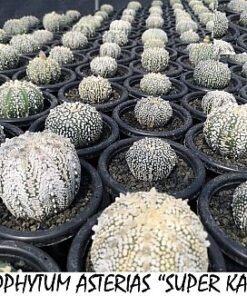
Astrophytum Asteria Superkabuto Seeds rare Cactus Seeds Pack of 10 seeds
₹199.00

Out of stock

Out of stock

Out of stock
Out of stock
Out of stock
Reviews
There are no reviews yet.