


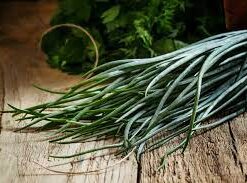
Garlic Chives seeds Pack of 25-30 seeds
₹60.00
In stock
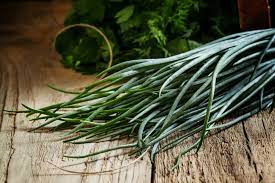
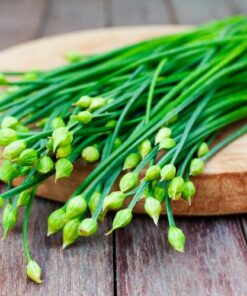
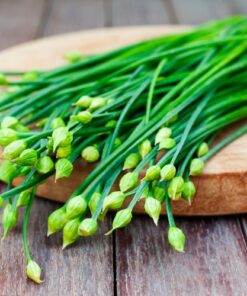
Garlic chives (Allium tuberosum) are a perennial herb prized for their mild garlic flavor, flat grass-like leaves, and delicate white blossoms. Whether you’re a home gardener or a culinary enthusiast, growing garlic chives from seed is a rewarding, low-maintenance project that pays back season after season.
Why Choose Garlic Chives? Unlike common chives, garlic chives deliver a subtle garlic-onion taste that elevates stir-fries, dumplings, soups, and salads. The entire plant is edible — leaves, flowers, and even flower buds — making them a versatile addition to any kitchen garden.
Growing Details at a Glance:
- Botanical name: Allium tuberosum
- Days to germination: 10–14 days at 60–70°F (15–21°C)
- Days to harvest: 75–90 days from seed
- Sunlight: Full sun to partial shade
- Soil: Well-draining, moderately fertile soil; pH 6.0–7.0
- Spacing: Sow seeds ¼ inch deep, thin to 6–8 inches apart
- Hardiness zones: USDA zones 3–9 (frost-tolerant perennial)
- Water needs: Moderate; drought-tolerant once established
How to Grow Garlic Chives from Seed: Start seeds indoors 6–8 weeks before the last frost, or direct sow outdoors in spring. Lightly cover seeds with soil and keep moist until germination. Once established, plants require minimal care — simply cut leaves 1–2 inches above the soil to encourage fresh, continuous growth. Divide clumps every 2–3 years to maintain vigor.
Culinary Uses: Garlic chives are a staple in Chinese, Korean, and Japanese cuisine. Use fresh leaves as a garnish, stir into dumplings and noodle dishes, blend into butter, or add to egg recipes. The white star-shaped flowers are edible too and make an elegant finishing touch on plates.
Companion Planting Tip: Plant garlic chives near roses, tomatoes, or carrots — their natural pest-repelling properties help deter aphids and Japanese beetles without any chemicals.
| Color | Green |
|---|---|
| Germination Level | Easy |
| Growth Pattern | Up right Straight |
| Hybrid or Open Pollinated | Op |
| Origin Country | India |
| Ideal location | Full sun |
Be the first to review “Garlic Chives seeds Pack of 25-30 seeds”
You must be logged in to post a review.
Related products

Reviews
There are no reviews yet.