
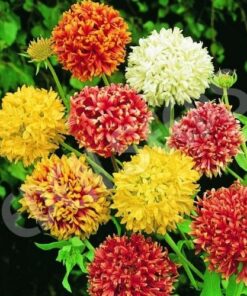
 Gaillardia pulchella Double mix flower seeds 30 seeds Open Pollinated

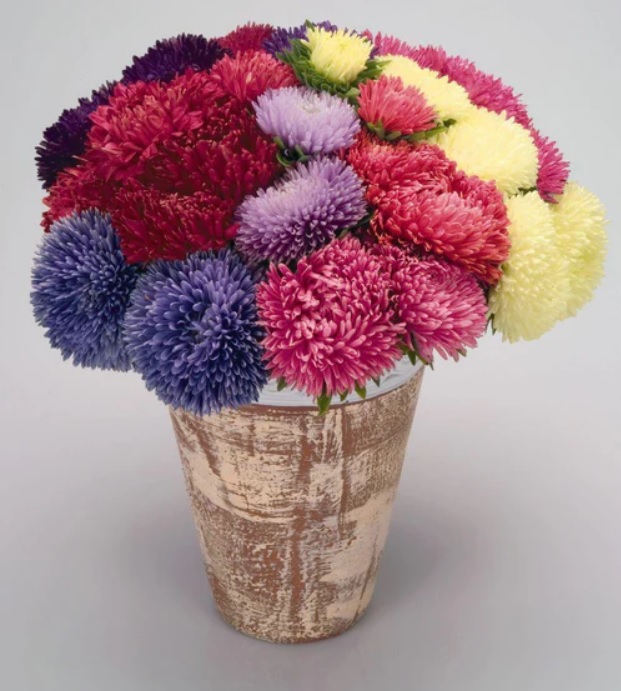
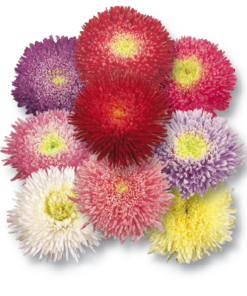
Aster Gala Mix color seeds pack of 25-30 seeds Imported
₹70.00
In stock
- Aster Gala from seeds is an easy and rewarding way to add vibrant colors and beautiful flowers to your garden. Asters are known for their daisy-like blooms in a wide range of colors, such as pink, purple, blue, red, and white, and they’re especially popular for fall gardens. Here’s a guide to help you grow asters from seeds:
Choosing Aster Varieties
There are several types of asters, including:
- New England Aster (Symphyotrichum novae-angliae): Tall, fall-blooming asters with large flowers.
- New York Aster (Symphyotrichum novi-belgii): Similar to New England aster but generally shorter.
- China Aster (Callistephus chinensis): A more compact, annual variety often used in borders and containers.
Aster Gala Growing from Seeds
- Timing:
- Start seeds indoors 6-8 weeks before the last frost date. You can also sow seeds directly outdoors after the last frost in spring.
- Seed Preparation:
- Aster seeds do not require special treatment before planting.
- Cold stratification (placing seeds in a moist paper towel in the fridge for 10-14 days) can improve germination if you’re starting them indoors, but it’s not strictly necessary.
- Soil Preparation:
- Use a well-draining, light seed-starting mix for indoor sowing.
- For outdoor planting, ensure the soil is loose and well-drained.
- Planting Seeds:
- Indoors: Sprinkle seeds on top of the soil and press them gently. Aster seeds need light to germinate, so don’t cover them with soil. Keep the soil moist but not soaked.
- Outdoors: Plant the seeds about 1/8 inch deep. Gently press them into the soil but don’t cover them heavily. Space seeds about 6-12 inches apart depending on the variety.
- Germination:
- Seeds typically germinate in 7-14 days at temperatures of 65-70°F (18-21°C).
- Keep the seedlings under a grow light or in a bright spot to prevent them from getting leggy.
Aster Gala Transplanting Seedlings
- Hardening Off:
- Gradually acclimate indoor-grown seedlings to outdoor conditions for 7–10 days before transplanting.
- Outdoor Planting:
- After the danger of frost has passed, transplant seedlings outdoors. Ensure the soil is well-drained and rich in organic matter.
- Space plants about 12-18 inches apart depending on the variety.
Aster Gala Caring for Asters
- Sunlight:
- Asters prefer full sun to thrive, though they can tolerate light shade. The more sun they get, the better they will bloom.
- Watering:
- Keep the soil moist, especially during dry spells. However, avoid overwatering or letting the soil stay soggy, as this can lead to root rot.
- Fertilizing:
- Asters do not need heavy feeding but can benefit from a balanced fertilizer in the spring to promote healthy growth and blooms.
- Too much fertilizer can result in excessive foliage and fewer flowers.
- Deadheading:
- Regularly remove spent flowers to encourage more blooms and keep the plant tidy.
- Staking:
- Tall varieties may need staking to prevent them from falling over, especially in windy or rainy conditions.
Aster Gala Pests and Diseases
- Aphids, spider mites, and Japanese beetles may be attracted to asters. Treat them with insecticidal soap or neem oil.
- Powdery mildew can affect asters, especially in humid conditions. Ensure proper spacing and good air circulation to prevent it.
Be the first to review “Aster Gala Mix color seeds pack of 25-30 seeds Imported”
You must be logged in to post a review.
Related products
Out of stock
1 review for Aster Gala Mix color seeds pack of 25-30 seeds Imported
There are no reviews yet.