

-
×
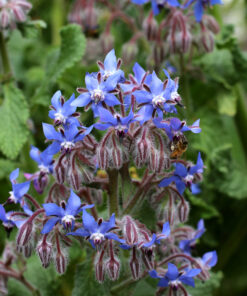 Borage herb seeds pack of 20 seeds
1 × ₹60.00
Borage herb seeds pack of 20 seeds
1 × ₹60.00 -
×
 Basil Seeds Herb Seeds pack of 30 seeds
2 × ₹50.00
Basil Seeds Herb Seeds pack of 30 seeds
2 × ₹50.00 -
×
Shyam Tulsi Seeds Holy Basil seeds pack of 100 seeds
1 × ₹40.00
-
×
Cleome Seeds Pack of 30-40 Seeds Open Pollinated
1 × ₹50.00
-
×
Vinca Dark Red seeds pack of 30 seeds Imported
1 × ₹70.00
-
×
 Osteospermum Seeds ecklonis pack of 25-30 Seeds Open Pollinated
1 × ₹60.00
Osteospermum Seeds ecklonis pack of 25-30 Seeds Open Pollinated
1 × ₹60.00 -
×
Acroclinium Seeds Mix seeds 40-50 seeds Open Pollinated
1 × ₹50.00
-
×
Asparagus Seeds pack of 10 seeds
1 × ₹70.00
-
×
Bellis Haba English Daisy Mix pack of 25-30 seeds Imported Pelleted
1 × ₹70.00
-
×
Geranium Maverick F1 Pelarogenum Seeds 15-20 seeds Imported
1 × ₹175.00
-
×
Lemon Balm Seeds Herb pack of 30 Seeds
1 × ₹50.00
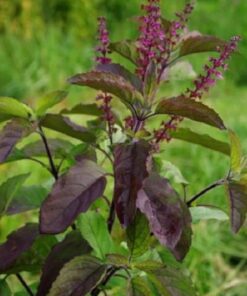 Shyam Tulsi Seeds Holy Basil seeds pack of 100 seeds
 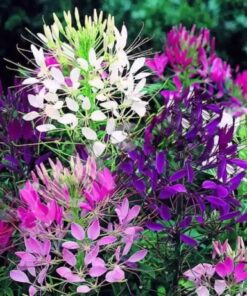 Cleome Seeds Pack of 30-40 Seeds Open Pollinated
 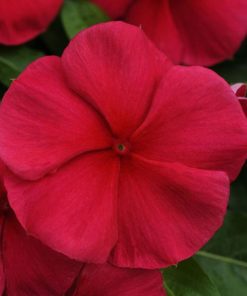 Vinca Dark Red seeds pack of 30 seeds Imported
 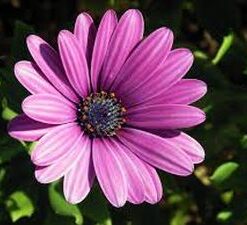 Osteospermum Seeds ecklonis pack of 25-30 Seeds Open Pollinated
  Acroclinium Seeds Mix seeds 40-50 seeds Open Pollinated
  Asparagus Seeds pack of 10 seeds
  Bellis Haba English Daisy Mix pack of 25-30 seeds Imported Pelleted
  Geranium Maverick F1 Pelarogenum Seeds 15-20 seeds Imported

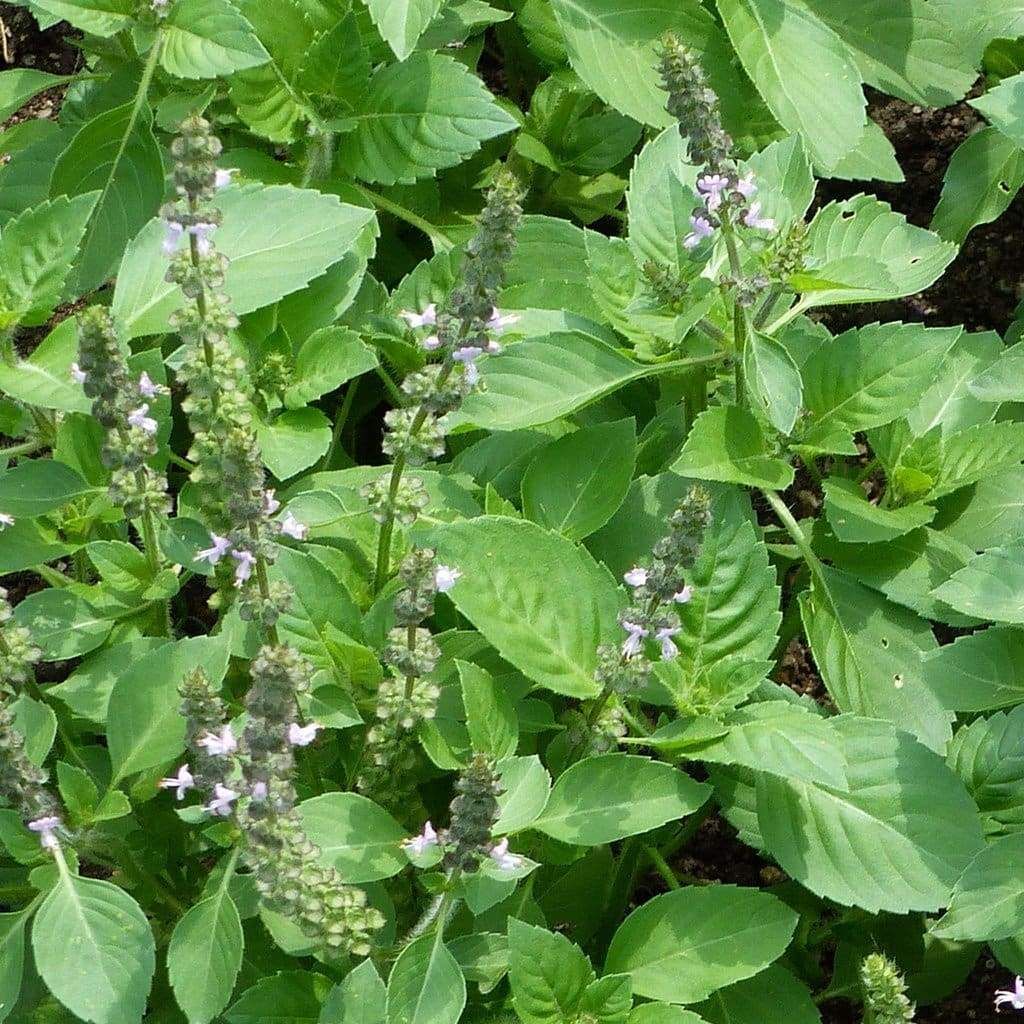
Ram Tulsi Seeds Holy Basil seeds pack of 100 seeds
₹40.00
Out of stock
Email when stock available
Ram Tulsi Seeds: GROWING TULSI FROM SEED
Ram Tulsi seeds should be started indoors 6 to 12 weeks before the last frost. Since tulsi is a tropical plant, it requires warm temperatures to germinate and should be kept in a place that’s at least 70 degrees. If your house is particularly cool, consider using a seedling heat mat to warm the soil temperatures.
The soil should be kept continuously moist, but not soggy. Seeds will germinate about 3 weeks after planting.
The plants are very frost-sensitive and should not be moved outdoors until several weeks after the last frost date. Even then, remember to give them an acclimation period to harden off by bringing them indoors into a sheltered place at night for a week or so before permanently planting outdoors. Cold frames are also a good option.
Sunlight – In ideal conditions, tulsi requires at least 6 hours of sunlight per day. It can survive part-sunlight conditions, with as little as 4 hours of direct sunlight per day.
Soil – Most balanced potting mixes are appropriate for growing indoors.
Fertilizer – Tulsi requires fertile soils to thrive, especially if you’re regularly harvesting leaves for tea and seasoning. Be sure to supplement with compost to ensure adequate fertility. To the soil with an inch of rich compost every 6 months. The best fertilizer for tulsi plants is a balanced 10-10-10 liquid fertilizer, and it can be applied every few months for indoor plants.
| Weight | 10 g |
|---|---|
| Color | Green |
| Germination Level | Medium |
| Growth Pattern | Up right Straight |
| Hybrid or Open Pollinated | Open Pollinated |
| Ideal location | Full sun |
| Origin Country | India |
Be the first to review “Ram Tulsi Seeds Holy Basil seeds pack of 100 seeds”
You must be logged in to post a review.
Related products

Out of stock
Reviews
There are no reviews yet.