



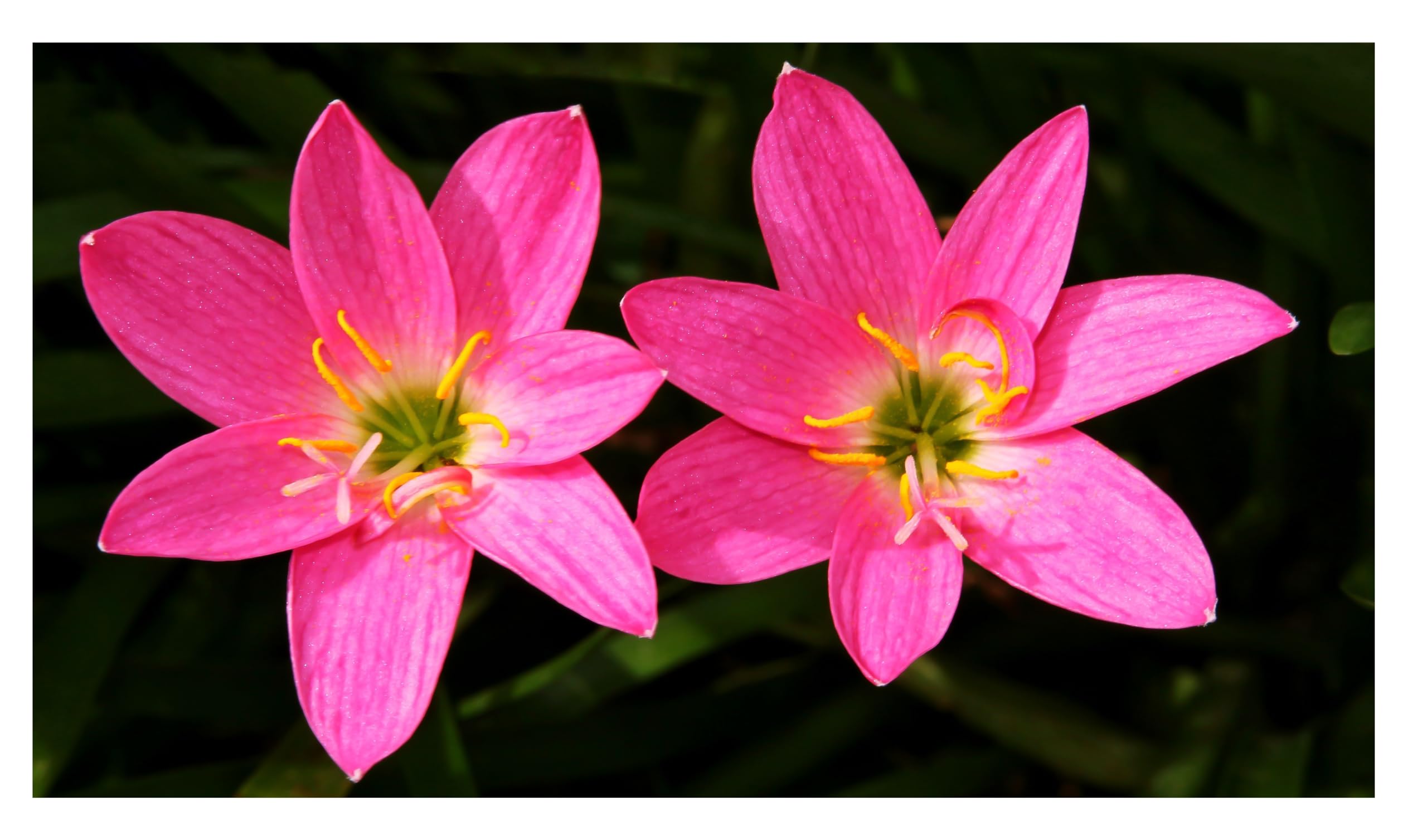
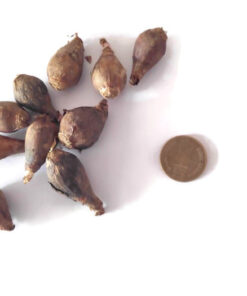
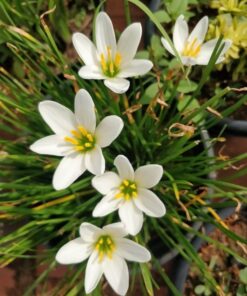
Rain Lily Pink Bulbs flower bulbs pack of 10
₹99.00
Out of stock
Email when stock available
Rain Lily Bulbs (Zephyranthes) — Grow India’s Favourite Monsoon Flower
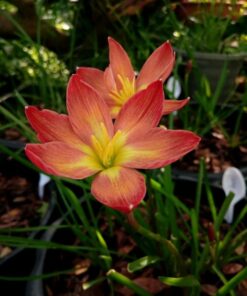
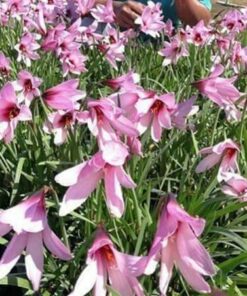
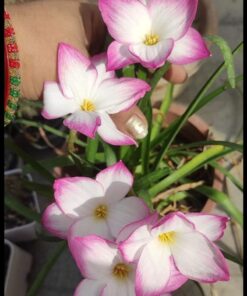
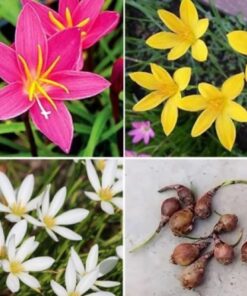
Rain Lily bulbs are one of the most beloved flowering bulbs grown across Indian gardens. Known botanically as Zephyranthes, these compact, low-maintenance plants produce delicate, star-shaped blooms in shades of white, pink, yellow, and coral — often appearing overnight after the first rains. Whether you garden on a small balcony in Jaipur or tend a large backyard in Bengaluru, Rain Lilies reward you with colour season after season with almost zero effort.
In this guide, our horticulture team shares everything you need to know about buying, planting, and caring for Rain Lily bulbs — backed by years of hands-on growing experience across Indian climate zones.
Why Gardeners Love Rain Lily Bulbs
Rain Lilies have earned a loyal following among Indian gardeners for good reason. They are drought-tolerant between blooming cycles, thrive in pots and ground beds alike, multiply naturally over time, and attract bees and butterflies to your garden. Unlike many ornamental plants, they ask for very little — only a dry rest period followed by a generous soak to trigger their spectacular bloom.
- Bloom triggered naturally by monsoon rains or controlled watering
- Available in white, pink, yellow, coral, and bicolour varieties
- Ideal for pots, borders, rock gardens, and lawn edges
- Naturalizing bulbs — multiply each season without replanting
- Highly adaptable across hot, semi-arid, and humid Indian climates
- Pet caution: mildly toxic if ingested; keep away from pets and children
How to Plant Rain Lily Bulbs — Step-by-Step
Planting Rain Lily bulbs is straightforward, even for beginners. Follow these steps for the best results in Indian conditions:
- Choose a sunny spot: Rain Lilies need 4–6 hours of direct sunlight daily. In extremely hot regions, afternoon shade helps prevent leaf scorch.
- Prepare the soil: Use well-draining soil mixed with coarse sand and organic compost. Avoid waterlogged ground, which causes bulb rot.
- Plant at the right depth: Place bulbs 5–8 cm deep with the pointed tip facing upward. For containers, 3–5 cm depth works well.
- Space correctly: Keep bulbs 8–10 cm apart to allow natural clumping and good air circulation.
- Water after planting: Give a thorough soak, then allow the soil to dry before the next watering session.
- Trigger blooming: For maximum flower display, withhold water for 2–3 weeks before the monsoon arrives, then water heavily. This mimics natural rainfall and triggers prolific blooming.
Frequently Asked Questions About Rain Lily Bulbs
Q1. When do Rain Lily bulbs bloom in India?
Rain Lilies naturally bloom during the monsoon season, typically July through September. With controlled irrigation, gardeners can trigger 2–3 blooming cycles per year by alternating dry rest periods with heavy watering, mimicking the effect of seasonal rain.
Q2. Can Rain Lilies grow in pots and containers?
Yes, Rain Lilies are excellent container plants. Use a pot at least 15–20 cm deep with good drainage holes. Plant 5–7 bulbs per 6-inch pot for a full, lush display. A mix of garden soil, coarse sand, and compost works perfectly.
Q3. How long before newly planted bulbs bloom?
Newly planted Rain Lily bulbs typically bloom within 4–8 weeks, especially when planted just before monsoon season. Established bulbs in the ground can flower within days of significant rainfall or a heavy watering after a dry rest.
Q4. Do Rain Lily bulbs need full sunlight?
Rain Lilies grow best in full sun to light shade, requiring at least 4–6 hours of sunlight per day. In very hot, dry regions like Rajasthan, placing them where they receive afternoon shade improves their overall health and longevity.
Q5. How do I store Rain Lily bulbs when not in season?
Allow the foliage to die back naturally before lifting bulbs. Store them in a mesh or paper bag in a cool, well-ventilated area away from direct sunlight. Never use plastic bags, as trapped moisture causes rot.
| Color | Pink |
|---|---|
| Germination Level | Easy |
| Growth Pattern | Leaf without stem |
| Hybrid or Open Pollinated | Op |
| Ideal location | Full sun |
| Origin Country | India |
Be the first to review “Rain Lily Pink Bulbs flower bulbs pack of 10”
You must be logged in to post a review.
Related products


1 review for Rain Lily Pink Bulbs flower bulbs pack of 10
There are no reviews yet.