
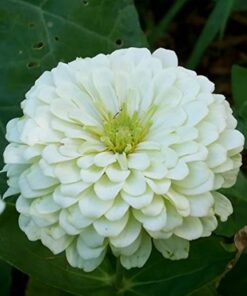
 Zinnia Elegans White Pack of 40 seeds Open Pollinated
 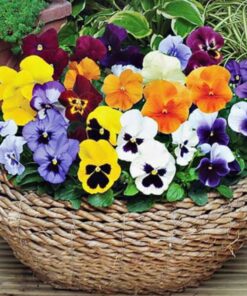 Pansy Seeds Swiss giant mix Color 40-50 seeds Open Pollinated


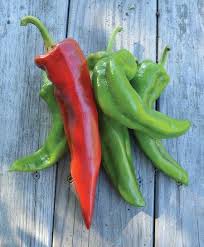
Capsicum Green Seeds shimla mirch Pack of 40-50 seeds
₹60.00
In stock
Capsicum Seeds: Complete Guide to Growing Healthy Bell Peppers at Home
Capsicum, commonly known as bell pepper or sweet pepper, is one of the most popular vegetables grown in home gardens. Its colorful fruits, mild flavor, and excellent nutritional value make it a favorite among gardeners and home cooks alike. Whether you grow green, red, yellow, orange, or purple varieties, capsicum plants reward gardeners with attractive and productive harvests.
Growing capsicum from seeds is easy when you provide the right conditions. With proper sunlight, fertile soil, and regular care, gardeners can enjoy fresh, healthy peppers throughout the growing season.
What Are Capsicum Plants?
Capsicum (Capsicum annuum) belongs to the Solanaceae family, which also includes tomatoes, eggplants, and chilies. Unlike hot peppers, sweet capsicum varieties contain little to no heat and are widely used in salads, pizzas, stir-fries, curries, and many other dishes.
The plants produce glossy fruits that change color as they mature. Most varieties start green and gradually turn red, yellow, orange, or purple depending on the cultivar.
Why Grow Capsicum Seeds?
Many gardeners prefer growing capsicum from seeds because it provides access to a wider selection of varieties. Seeds are economical, easy to store, and allow gardeners to raise healthy plants from the beginning.
Benefits of Growing Capsicum
- Produces nutritious vegetables rich in vitamins.
- Suitable for pots, grow bags, and kitchen gardens.
- Offers high productivity in limited space.
- Available in multiple attractive colors.
- Easy to grow with basic gardening knowledge.
- Freshly harvested peppers have superior flavor.
Capsicum is especially valuable for urban gardeners who want a productive vegetable crop in balconies or terraces.
Nutritional Benefits of Capsicum
Capsicum contains several important nutrients that support overall health. It is naturally rich in Vitamin C, Vitamin A, antioxidants, and dietary fiber.
Regular consumption of capsicum may help support immunity, improve skin health, and contribute to a balanced diet. Colored bell peppers also contain beneficial plant compounds that give them their vibrant appearance.
Best Time to Sow Capsicum Seeds in India
The ideal sowing time depends on local climate conditions.
In most parts of India, gardeners can sow capsicum seeds during:
- January to March
- June to July
- September to November
Regions with mild temperatures generally produce the best results. Capsicum prefers temperatures between 20°C and 30°C for healthy growth and fruit development.
How to Grow Capsicum from Seeds
Seed Sowing
Fill seed trays or small pots with a well-draining seed-starting mix. Sow the seeds about 0.5 cm deep and cover lightly with soil.
Water gently and keep the growing medium consistently moist but not waterlogged. Under suitable conditions, seeds usually germinate within 7 to 14 days.
Transplanting
Once seedlings develop 4 to 6 true leaves, transplant them into larger containers or garden beds.
Maintain a spacing of 40 to 50 cm between plants to allow proper airflow and healthy growth.
Soil Requirements
Capsicum grows best in fertile, well-drained soil rich in organic matter. Mixing compost or well-rotted manure into the soil improves nutrient availability and encourages vigorous plant growth.
A soil pH between 6.0 and 7.0 is considered ideal.
Sunlight and Watering
Capsicum plants require at least 6 to 8 hours of direct sunlight daily. Adequate sunlight promotes flowering and fruit production.
Water regularly to keep the soil evenly moist. Avoid excessive watering because overly wet soil may lead to root problems and reduced plant health.
Mulching around the plants helps conserve moisture and suppress weeds.
Fertilizer Requirements
Balanced nutrition plays an important role in successful capsicum cultivation.
Apply organic compost during planting and supplement with a balanced vegetable fertilizer during active growth. Potassium-rich fertilizers can help improve flowering and fruit quality.
Regular feeding supports healthy foliage and higher yields.
Common Problems in Capsicum Plants
Like many vegetable crops, capsicum may occasionally face pest and disease issues.
Common challenges include:
- Aphids
- Whiteflies
- Spider mites
- Leaf spot diseases
- Blossom drop due to temperature stress
Regular inspection, proper spacing, and good garden hygiene help reduce these problems significantly.
Harvesting Capsicum
Capsicum fruits are usually ready for harvest 70 to 100 days after transplanting, depending on the variety.
You can harvest fruits while they are green or allow them to mature into their final color. Fully ripened peppers generally develop sweeter flavor and higher nutritional value.
Use clean scissors or pruning shears to harvest fruits without damaging the plant.
Why Buy Quality Capsicum Seeds?
High-quality capsicum seeds improve germination rates, plant vigor, and productivity. Premium seeds produce healthier plants with better resistance to environmental stress and improved fruit quality.
Whether you are growing vegetables for home use or small-scale production, investing in quality seeds increases your chances of success.
Conclusion
Capsicum is one of the most rewarding vegetables for home gardeners. Its colorful fruits, nutritional benefits, and versatile culinary uses make it a valuable addition to any kitchen garden. By choosing quality capsicum seeds and following proper growing practices, gardeners can enjoy a continuous harvest of fresh bell peppers throughout the season.
For beginners and experienced gardeners alike, capsicum remains one of the easiest and most productive vegetable crops to grow from seed.
Author
Seedsnpots.com Team
Seedsnpots.com has been helping Indian gardeners grow successful gardens since 2017. Our team specializes in premium flower seeds, vegetable seeds, imported flower bulbs, and rare plant varieties. We regularly test growing methods under Indian conditions and share practical gardening advice to help gardeners achieve better results.
| Color | Green |
|---|---|
| Germination Level | Easy |
| Growth Pattern | Up right Straight |
| Hybrid or Open Pollinated | Open Pollinated |
| Ideal location | Full sun |
| Origin Country | India |
Be the first to review “Capsicum Green Seeds shimla mirch Pack of 40-50 seeds”
You must be logged in to post a review.
Related products


Reviews
There are no reviews yet.