



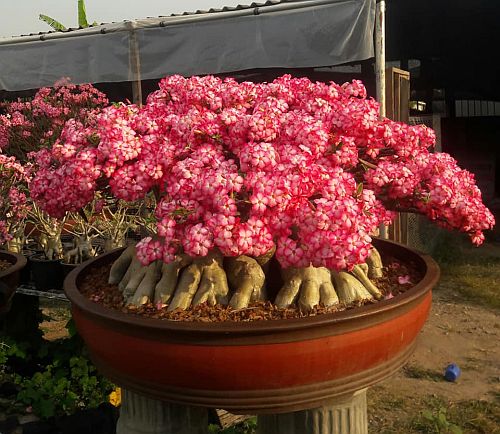
Adenium RCN seeds pack of 5 seeds
₹125.00
Out of stock
Email when stock available
Adenium Arabicum RCN Seeds – Grow Rare Desert Rose with Massive Caudex Formation
Adenium Arabicum RCN Seeds: The Ultimate Choice for Caudex Lovers and Collectors
Adenium Arabicum RCN Seeds are highly prized among Adenium enthusiasts for their potential to produce exceptionally thick caudex structures, compact growth habits, and striking desert-rose characteristics. Originating from carefully selected parent plants, these seeds are sought after by collectors who appreciate unique plant forms rather than flowers alone.
Unlike ordinary Adenium varieties, Arabicum RCN is admired for its dramatic swollen trunk, broad leaves, and powerful bonsai potential. As seedlings mature, they develop distinctive shapes that make each plant a one-of-a-kind living sculpture.
For growers who enjoy raising plants from seed and watching their character evolve over time, Adenium Arabicum RCN Seeds offer a rewarding and fascinating growing experience.
What Makes Adenium Arabicum RCN Special?
The RCN selection is valued primarily for its impressive caudex development and compact architecture.
Unique Characteristics
- Thick and wide caudex formation
- Strong branching habit
- Compact growth pattern
- Excellent bonsai potential
- Drought tolerance
- Long lifespan
- Attractive foliage even without flowers
Many collectors consider Arabicum varieties among the most artistic members of the Adenium family.
Product Highlights
- Premium quality Adenium Arabicum RCN seeds
- Suitable for seed-grown caudex development
- Excellent germination potential under proper conditions
- Ideal for bonsai enthusiasts
- Heat-loving succulent species
- Suitable for pots and containers
- Popular among collectors worldwide
- Long-term ornamental value
Botanical Information
| Feature | Details |
|---|---|
| Botanical Name | Adenium arabicum |
| Variety | RCN Selection |
| Plant Type | Succulent Shrub |
| Growth Habit | Compact |
| Main Attraction | Massive Caudex |
| Sunlight Requirement | Full Sun |
| Water Requirement | Low |
| Suitable For | Bonsai & Containers |
| Germination Time | Usually 5–14 Days |
Why Grow Adenium Arabicum from Seeds?
Growing from seed allows gardeners to witness the complete development of the plant.
Benefits include:
Unique Plant Structure
Every seedling develops its own trunk shape and root pattern.
Strong Natural Growth
Seed-grown plants often establish powerful root systems.
Collector Satisfaction
Watching a tiny seed transform into a mature specimen is highly rewarding.
Better Bonsai Development
Many enthusiasts prefer seed-grown Arabicum plants for shaping and training.
Seed Germination Guide
Step 1: Prepare the Growing Medium
Use a well-draining mixture such as:
- Cocopeat
- Perlite
- River sand
Step 2: Sow Seeds
Place seeds horizontally on the surface and lightly cover.
Step 3: Maintain Moisture
Keep the medium slightly moist but never waterlogged.
Step 4: Provide Warmth
Ideal temperature:
- 25°C to 35°C
Most viable seeds germinate within one to two weeks.
Best Growing Conditions
Sunlight
Young seedlings require bright light.
Mature plants prefer:
- Full sun exposure
- At least 6 hours of sunlight daily
Temperature
Adenium Arabicum thrives in warm climates and performs exceptionally well in most parts of India.
Soil Requirements
Proper drainage is critical.
Recommended mix:
- Garden soil
- Coarse sand
- Perlite
- Organic compost
A fast-draining medium encourages healthy caudex expansion.
Watering Tips
Young seedlings require moderate moisture.
As plants mature:
- Water less frequently
- Allow soil to dry between watering cycles
This encourages stronger root development and healthier growth.
Why Collectors Prefer Arabicum Over Other Adeniums
While many Adeniums are grown mainly for flowers, Arabicum varieties are often collected for their structure.
Collectors admire:
- Giant caudex development
- Wide trunk formation
- Unique root architecture
- Compact growth habit
- Exceptional bonsai suitability
Many mature specimens become valuable display plants.
Bonsai Potential
Adenium Arabicum RCN is considered one of the best Adenium types for bonsai enthusiasts.
Advantages include:
- Natural trunk thickening
- Strong branch formation
- Easy shaping
- Attractive proportions
- Long lifespan
Even young plants quickly develop character and presence.
Long-Term Value
Adenium Arabicum is not a short-term ornamental plant.
Over time it develops:
- Larger caudex
- Better branching
- Improved visual appeal
- Increased collector interest
Many growers consider mature Arabicum specimens among the most desirable succulents in their collection.
Conclusion
Adenium Arabicum RCN Seeds offer a unique opportunity to grow one of the most admired caudex-forming plants from the very beginning. Their ability to develop massive trunks, compact growth habits, and striking bonsai characteristics makes them a favorite among serious collectors and hobby growers alike. Whether you are starting your first Adenium or expanding a specialized collection, these seeds provide years of growing enjoyment and long-term ornamental value.
Unique FAQs About Adenium Arabicum RCN Seeds
1. Why do collectors often choose Arabicum seeds over grafted plants?
Seed-grown Arabicum plants develop completely unique caudex and root structures that cannot be replicated.
2. Can two seedlings from the same seed batch look completely different?
Yes. Natural genetic variation often creates distinctive trunk shapes and growth patterns.
3. Why is caudex development so important to Arabicum enthusiasts?
The caudex becomes the plant’s signature feature and often determines its visual appeal and collector value.
4. Does a larger seed produce a larger caudex?
Not necessarily. Growing conditions and genetics play a much greater role in development.
5. Why do bonsai growers prefer Arabicum varieties?
Their naturally thick trunks and compact growth habits make them ideal for miniature tree styling.
6. Can seedlings begin showing caudex swelling early?
Yes. Under proper conditions, noticeable thickening may begin within the first year.
7. Why do mature Arabicum plants sometimes resemble natural sculptures?
Years of caudex expansion and branching create unique forms that cannot be duplicated.
8. Is flower production the main reason collectors grow Arabicum?
Often no. Many enthusiasts value trunk development even more than flowering.
9. Can an Arabicum become a multi-generation plant?
Yes. With proper care, these plants can live for decades and become treasured collection pieces.
10. What makes Adenium Arabicum RCN different from ordinary succulent seeds?
It offers the opportunity to grow a highly collectible caudex-forming specimen with unique bonsai and ornamental potential.
Author
SeedsNPots Horticultural Research Team
This guide is based on practical Adenium cultivation experience, seed germination trials, and ornamental plant research conducted under Indian growing conditions. Our goal is to provide accurate, trustworthy, and experience-based gardening information that helps growers achieve better results from seed to maturity.
Be the first to review “Adenium RCN seeds pack of 5 seeds”
You must be logged in to post a review.
Related products


Reviews
There are no reviews yet.