

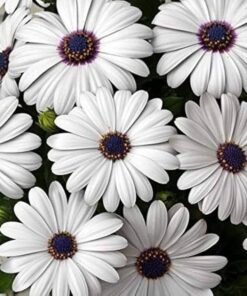
 Dimorphotheca White Pack of 20-30 seeds Open Pollinated
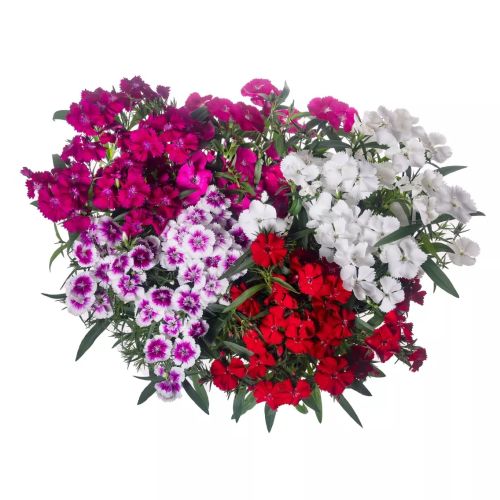
Dianthus Elation Seeds F1 Mix pack of 23-25 seeds Imported
Price range: ₹99.00 through ₹350.00
Dianthus Elation Description
Your favorite colors, but earlier!
- Best-in-class genetics: excellent branching and compact habit.
- Extremely free and early flowering.
- Robust heat tolerance.
- Tough landscape performance with long lasting flowers recovering quickly after rain.
Key Features of Dianthus Elation at a Glance
| Feature | Detail |
|---|---|
| Plant Type | Hardy perennial / interspecific hybrid |
| Bloom Color | Light shell pink, double flowers |
| Foliage | Glaucous blue-green |
| Height | 18–22 cm (compact mounding) |
| Width | 15–20 cm |
| Bloom Season | May through October |
| Fragrance | Sweet, clove-like |
| USDA Hardiness Zones | Zones 5–9 |
| Best Use | Containers, borders, rock gardens, cutting gardens |
Why Choose Dianthus Elation? 5 Standout Benefits
1. Exceptionally Long Bloom Season
Unlike many spring bloomers that fade by July, Dianthus Elation produces flowers continuously from late spring through the first hard frost. With regular deadheading, plants deliver a near-constant flush of color for five full months.
2. Compact, Tidy Form
Its naturally mounding, compact habit means Dianthus Elation never becomes untidy or sprawling. This makes it ideal for small garden spaces, window boxes, and front-of-border placement without requiring frequent cutting back.
3. Sweet, Spicy Fragrance
The blooms carry a distinctive clove-and-cinnamon fragrance that perfumes patios, walkways, and garden rooms. Planted near seating areas or windows, the scent becomes a defining garden feature.
4. Low Maintenance Once Established
Dianthus Elation is drought-tolerant after establishment, requires minimal fertilizing, and is naturally resistant to most pests and diseases when grown in well-draining soil with adequate airflow.
5. Pollinator Magnet
Bees, butterflies, and even hummingbirds are drawn to its nectar-rich blooms, making it a valuable addition to any pollinator-friendly garden.
How to Plant Dianthus Elation
Choosing the Right Location
Dianthus Elation thrives in full sun — a minimum of 6 to 8 hours of direct sunlight per day ensures prolific flowering. While it can tolerate partial shade, flowering will be reduced and the plant may become leggy.
Avoid planting in low-lying areas where water collects after rain, as standing water around the roots can quickly lead to crown rot.
Soil Requirements
The ideal soil for Dianthus Elation is:
- Well-draining — never soggy or compacted
- pH 6.0–7.0 — slightly acidic to neutral (or mildly alkaline)
- Moderately fertile — enriched with compost but not overly rich
If your garden soil is heavy clay, amend it generously with coarse grit, perlite, or sharp sand before planting. Overly rich, nitrogen-heavy soil promotes leafy growth at the expense of flowers.
Planting Steps
- Loosen soil to a depth of 30 cm (12 inches)
- Mix in 5–10 cm (2–4 inches) of compost
- Dig a hole twice the width of the root ball
- Place the plant so the crown sits level with the soil surface — never below
- Backfill, firm gently, and water thoroughly
- Space plants 30–45 cm (12–18 inches) apart for good air circulation
Container Planting
Dianthus Elation is an outstanding container plant. Use a high-quality, well-draining potting mix and ensure the pot has adequate drainage holes. Place containers in a sunny spot and rotate occasionally for even light exposure.
Dianthus Elation Care Guide
Watering
After planting, water regularly to help the plant establish. Once established (after 4–6 weeks), Dianthus Elation is notably drought-tolerant. Water at the base of the plant, not over the foliage, to prevent fungal issues.
Watering rule of thumb: Water deeply once a week during dry spells; reduce frequency in cooler or wetter periods.
Feeding
Dianthus Elation benefits from light feeding:
- Apply a balanced, slow-release granular fertilizer at planting time
- Top-dress with a diluted liquid fertilizer (10-10-10) once a month through the growing season
- Avoid high-nitrogen feeds which suppress flowering
Deadheading and Pruning
Regular deadheading is the single most important maintenance task for extending the flowering season. Remove spent flower heads just above a leaf node or set of leaves. This redirects the plant’s energy from seed production into producing new blooms.
After the main spring flush, shear the plant back by about one-third to encourage a fresh flush of growth and flowers in late summer.
Winter Care
In USDA Zones 5–7, mulch lightly around the base in late autumn with straw or fine bark to insulate the root zone. In Zones 8–9, the plant may remain semi-evergreen through winter. Avoid heavy, smothering mulch directly on the crown.
Common Problems & How to Solve Them
Yellowing Leaves
Cause: Overwatering or poorly draining soil Fix: Allow soil to dry between waterings; improve drainage with grit or raised planting
Leggy, Few Flowers
Cause: Insufficient sunlight or over-fertilising with nitrogen Fix: Move to a sunnier position; switch to a low-nitrogen, bloom-boosting fertiliser
Crown Rot
Cause: Water sitting around the crown; planting too deep Fix: Ensure crown is at or slightly above soil level; improve soil drainage immediately
Aphids or Spider Mites
Cause: Dry, dusty conditions or stressed plants Fix: A strong spray of water dislodges most aphids; treat with insecticidal soap if persistent
Companion Plants for Dianthus Elation
Pair Dianthus Elation with these complementary plants for a layered, season-long display:
- Lavender — shares full sun and well-drained soil preferences; contrasting purple tones
- Salvia — vertical spires contrast beautifully with the mounding dianthus form
- Creeping Phlox — extends the blooming season with similar groundcover qualities
- Echinacea (Coneflower) — height contrast and complementary bloom times
- Artemisia — silver-grey foliage makes the pink blooms glow
- Sedum — low-maintenance companion for containers and rock gardens
Dianthus Elation in Different Garden Styles
Cottage Garden
Dianthus Elation fits naturally into the romantic, informal cottage style. Combine with roses, foxgloves, and sweet williams for an English-countryside feel.
Modern/Minimalist Garden
The tidy mounding form and neat foliage make it ideal for structured planting schemes. Mass several plants together as a low-growing carpet of colour alongside clipped hedges or grasses.
Rock Garden
Its tolerance for drier conditions and compact form makes Dianthus Elation a great candidate for rock garden plantings, especially in association with sedums, thyme, and alpine phlox.
Container Displays
Use it as the “thriller, filler, or spiller” middle-layer in patio containers alongside upright grasses or trailing lobelia.
Frequently Asked Questions About Dianthus Elation
Is Dianthus Elation a perennial or annual? Dianthus Elation is a hardy perennial, reliably returning year after year in USDA Zones 5–9. In colder zones it may be treated as an annual or overwintered with protection.
How tall does Dianthus Elation grow? It typically reaches 18–22 cm (7–9 inches) in height, with a spread of 15–20 cm — making it ideal for the front of borders and containers.
Does Dianthus Elation need deadheading? Yes. Regular removal of spent blooms is essential for triggering continuous flowering from May through October. Without deadheading, the plant will slow its flowering after the initial spring flush.
Is Dianthus Elation fragrant? Yes — it produces a distinctive sweet, spicy, clove-like fragrance that intensifies on warm summer evenings.
Can Dianthus Elation grow in pots? Absolutely. Its compact mounding form is perfectly suited to container gardening. Ensure well-draining compost and a sunny position.
Is Dianthus Elation toxic to pets? Dianthus can cause mild gastrointestinal upset in cats and dogs if ingested. Keep plants away from pets that graze on greenery.
When should I plant Dianthus Elation? Plant in spring after the last frost, or in autumn in milder climates. Avoid planting in the hottest weeks of summer.
Where to Buy Dianthus Elation
Dianthus Elation is available from:
- Specialist online nurseries and perennial growers
- Garden centres in spring (March–May)
- Mail-order plant companies shipping bare-root or pot-grown specimens
When buying, look for compact, bushy plants with healthy blue-green foliage and no signs of yellowing or root congestion.
Final Verdict: Should You Grow Dianthus Elation?
If you want a plant that earns its space — through extended fragrant flowering, tidy compact form, low maintenance needs, and pollinator appeal — Dianthus Elation is an outstanding choice. Whether you’re planting it in a cottage garden border, a patio container, or a rock garden scheme, this cultivar delivers season-long colour and fragrance with minimal fuss.
Its sweet clove scent, long bloom window from May through October, and adaptability to a wide range of growing conditions make Dianthus Elation one of the most rewarding garden pinks you can grow.
Quick-Reference Care Summary
| Care Aspect | Recommendation |
|---|---|
| Sunlight | Full sun, 6–8 hours minimum |
| Soil | Well-draining, pH 6.0–7.0 |
| Watering | Regular to establish; drought-tolerant after |
| Fertiliser | Balanced, monthly; avoid high nitrogen |
| Deadheading | Essential for continuous bloom |
| Winter Care | Light mulch in Zones 5–7 |
| Spacing | 30–45 cm (12–18 inches) apart |
| Color | Mix |
|---|---|
| Growth Pattern | Up right Straight |
| Germination Level | Easy |
| Hybrid or Open Pollinated | Hybrid |
| Ideal location | Full sun |
| Origin Country | Germany |
| Number of Seeds | 23-25 Seeds, Pack of 100 Seeds |
Be the first to review “Dianthus Elation Seeds F1 Mix pack of 23-25 seeds Imported”
You must be logged in to post a review.
Related products
Winter Flower Seeds
Carnation Seeds Giant Chaubad Mix Color seeds pack of 30-40 seeds Open Pollinated
Winter Flower Seeds
Osteospermum Seeds ecklonis pack of 25-30 Seeds Open Pollinated
Reviews
There are no reviews yet.